











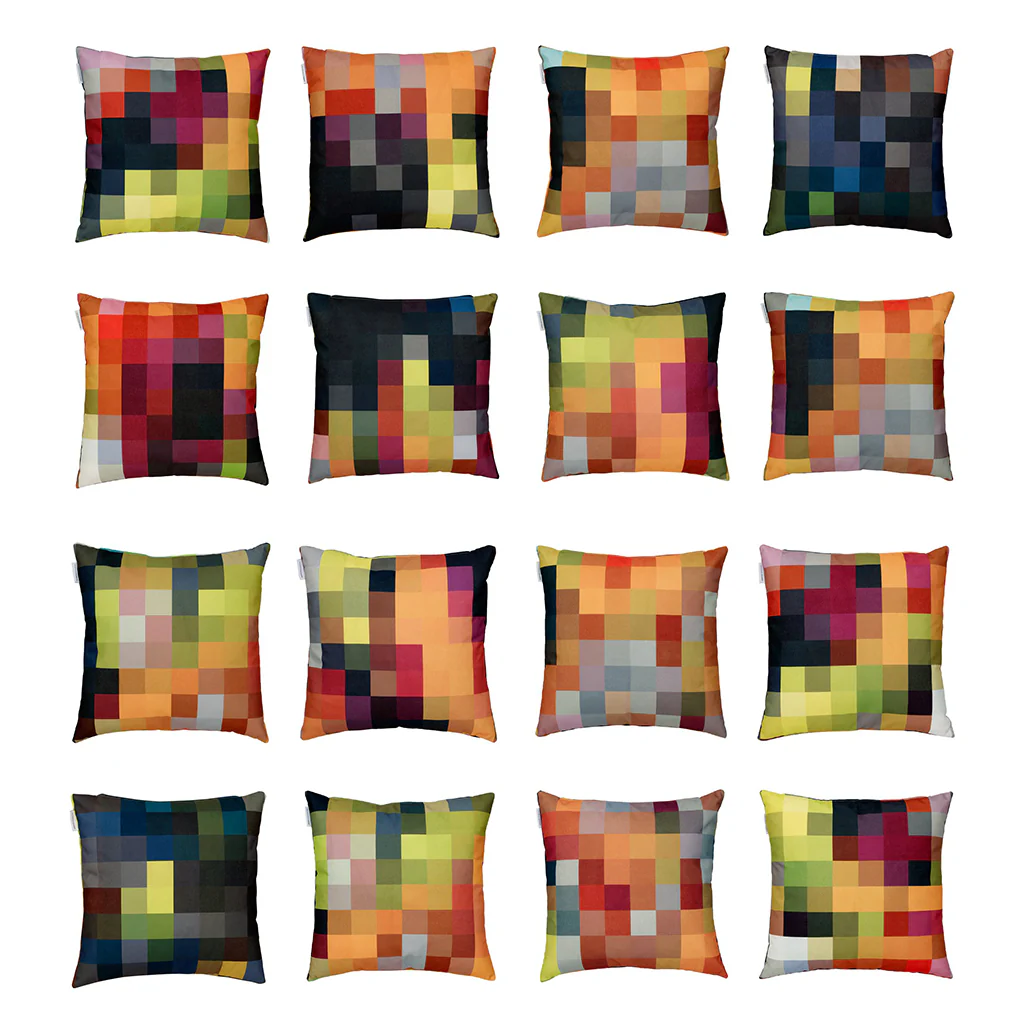

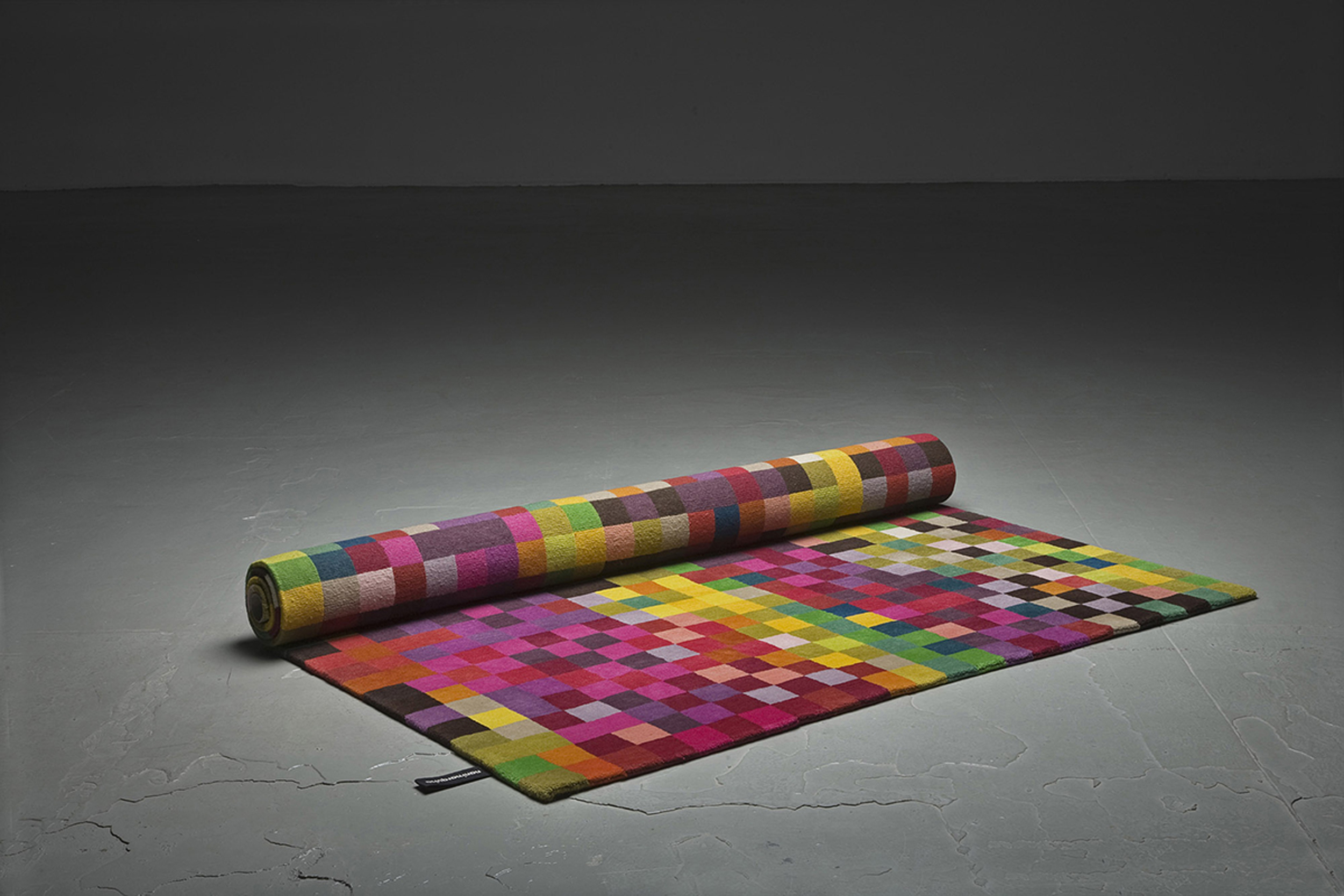

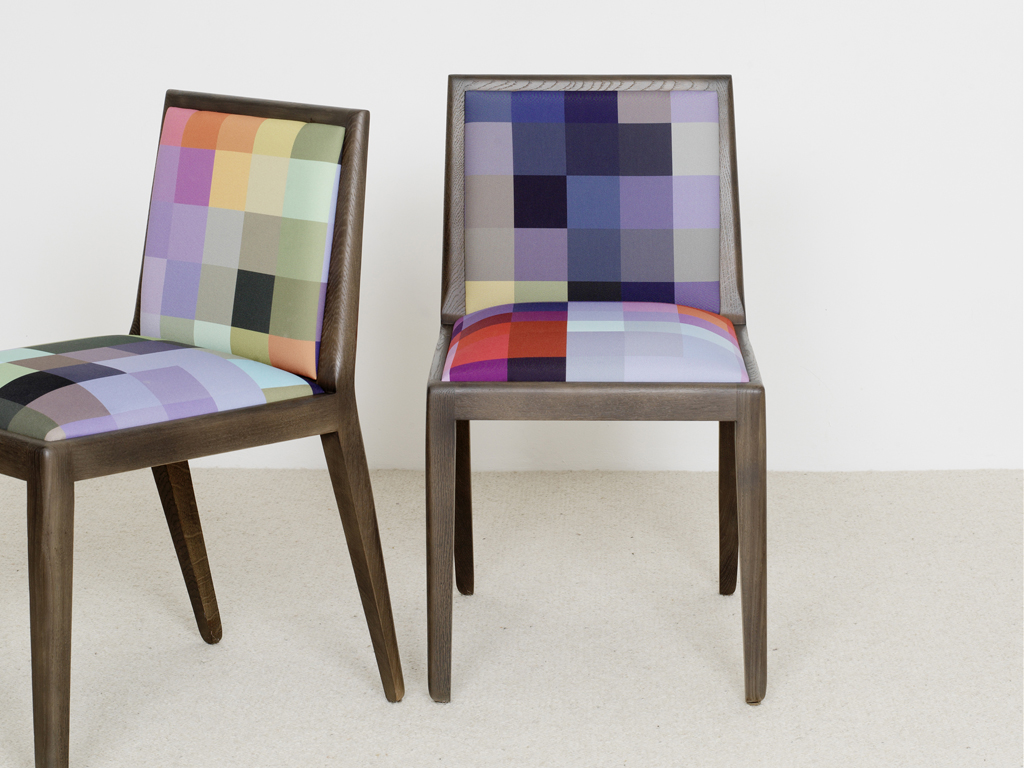





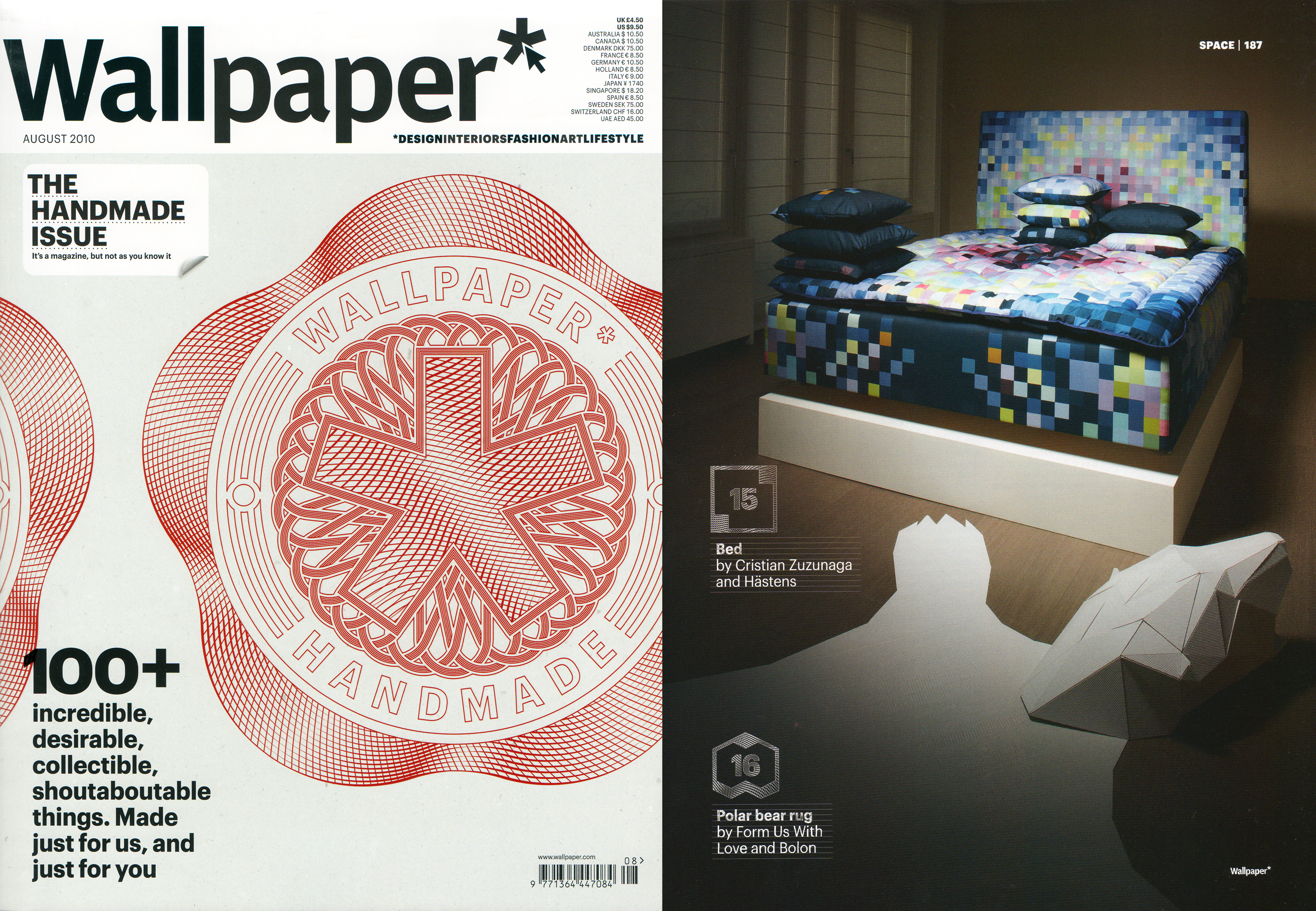

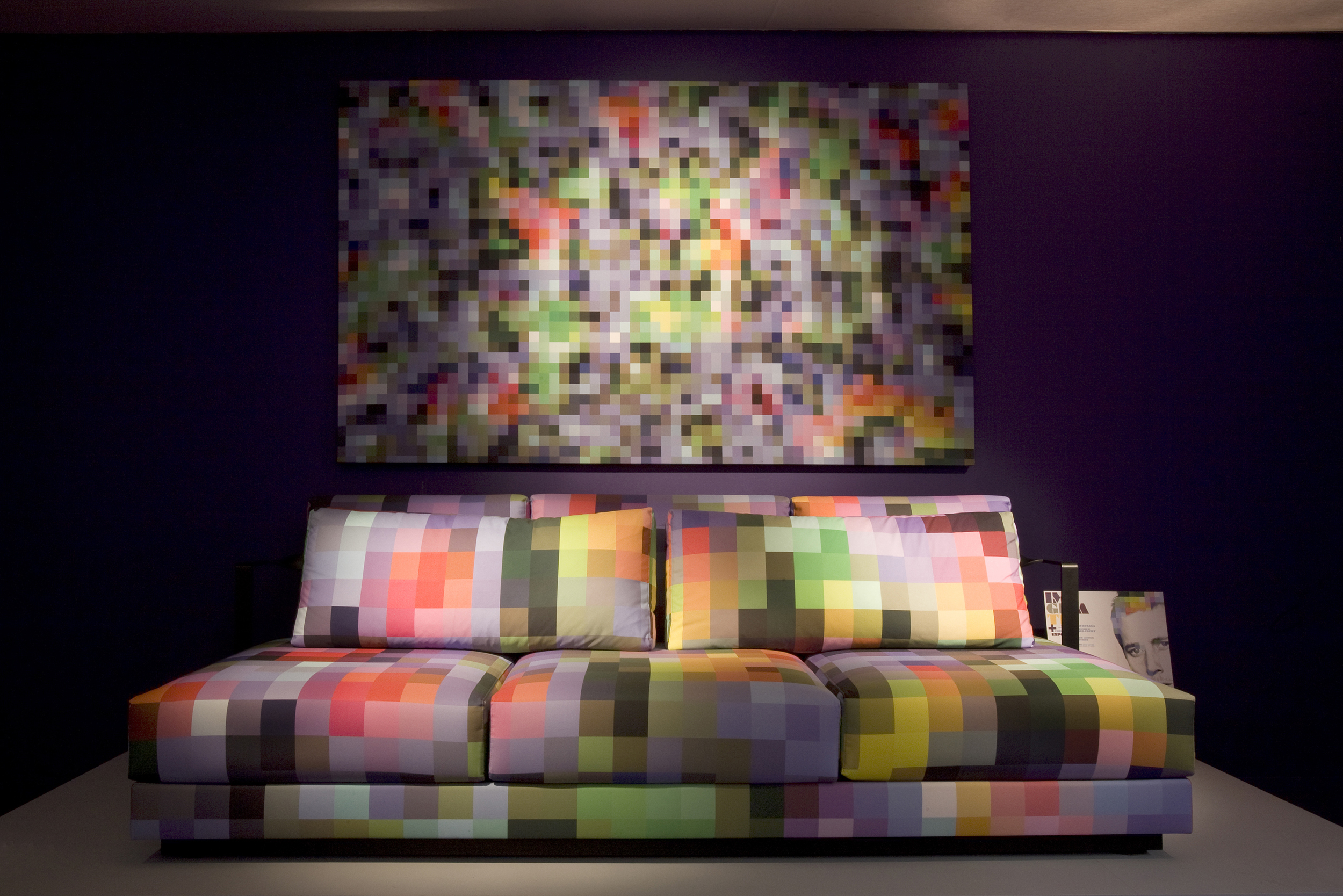

He grew up in an analogue environment and witnessed the transition into digital culture firsthand. Before working with pixels, he developed a way of seeing grounded in close observation — studying how structure, repetition, and scale shape the visible world. Biology, architecture, and material behaviour informed this early attention to systems and pattern formation.
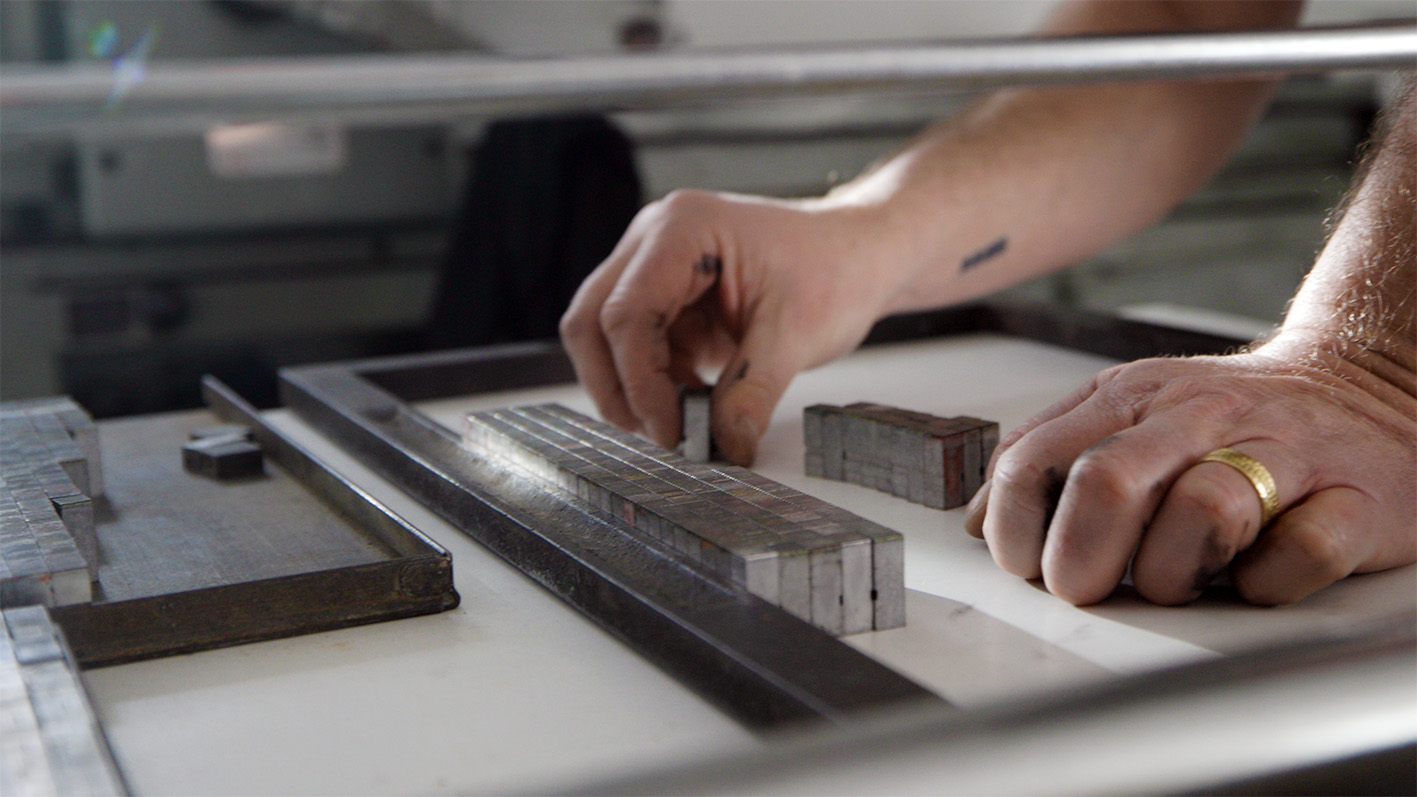
He later studied typographic design, where grids, systems, and repetition reinforced this understanding. Typography clarified that meaning is constructed through relationships rather than gestures, and that constraint can generate coherence.
In 2004, he made a conscious decision to work with the square as a lifelong unit. This commitment preceded his engagement with digital imagery and continues to underpin his practice. From that point onward, the work developed through continuity rather than stylistic shifts.
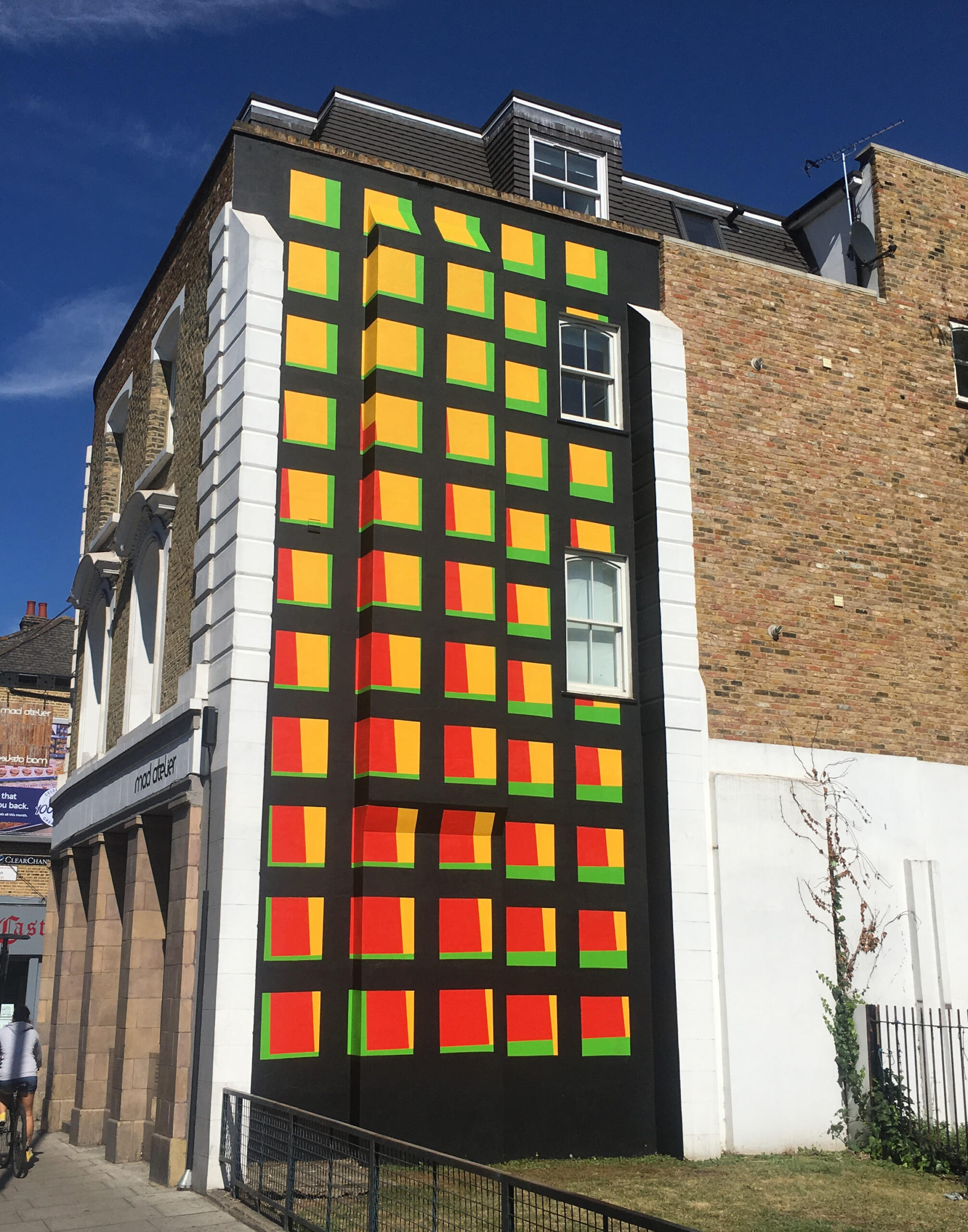
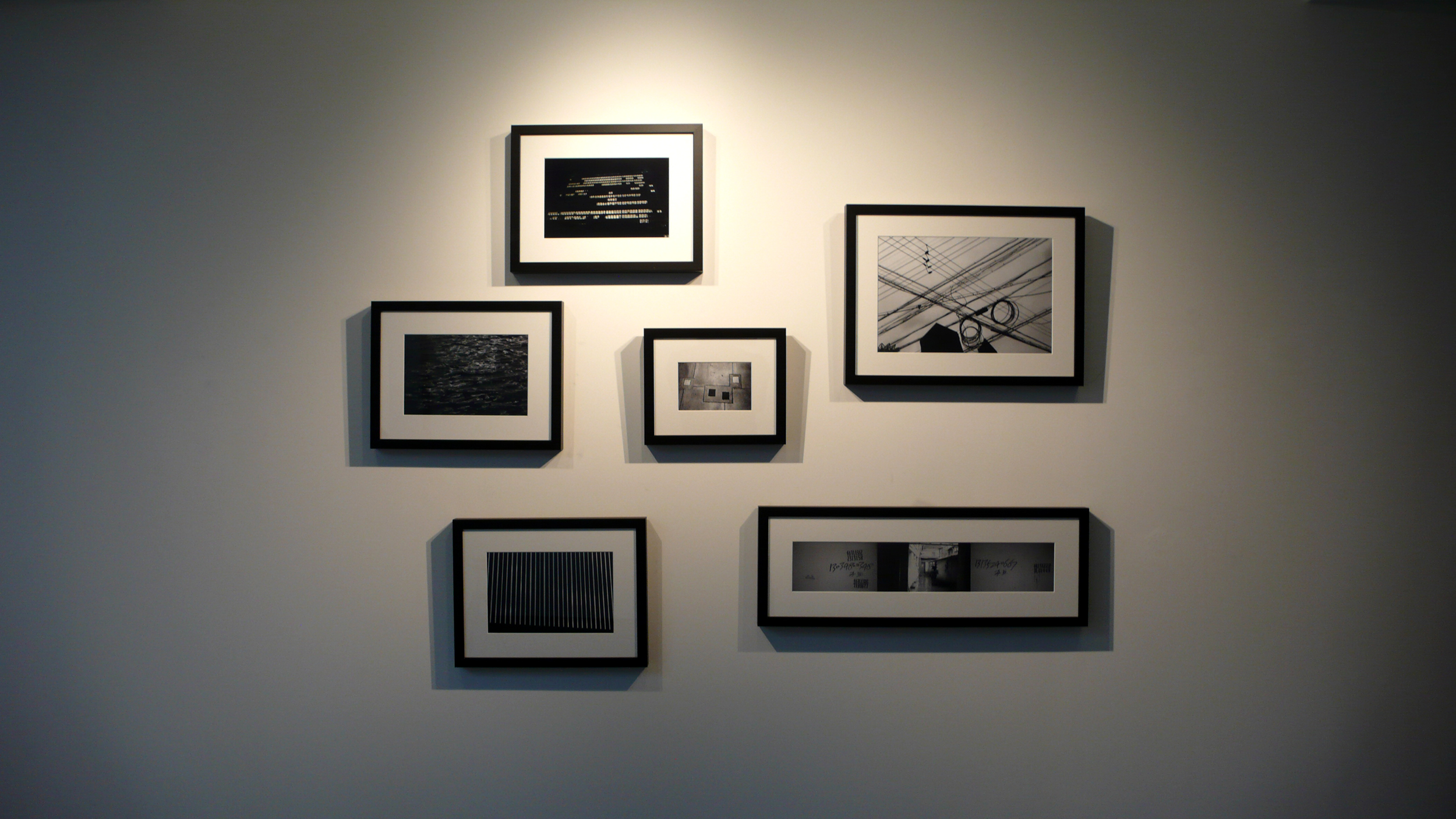
Photography became a bridge between material and image. Through framing, cropping, and sampling, he refined an approach based on isolating units and extending them into larger fields. Architecture, landscape, and urban surfaces became sources of structural inquiry rather than subjects of representation.
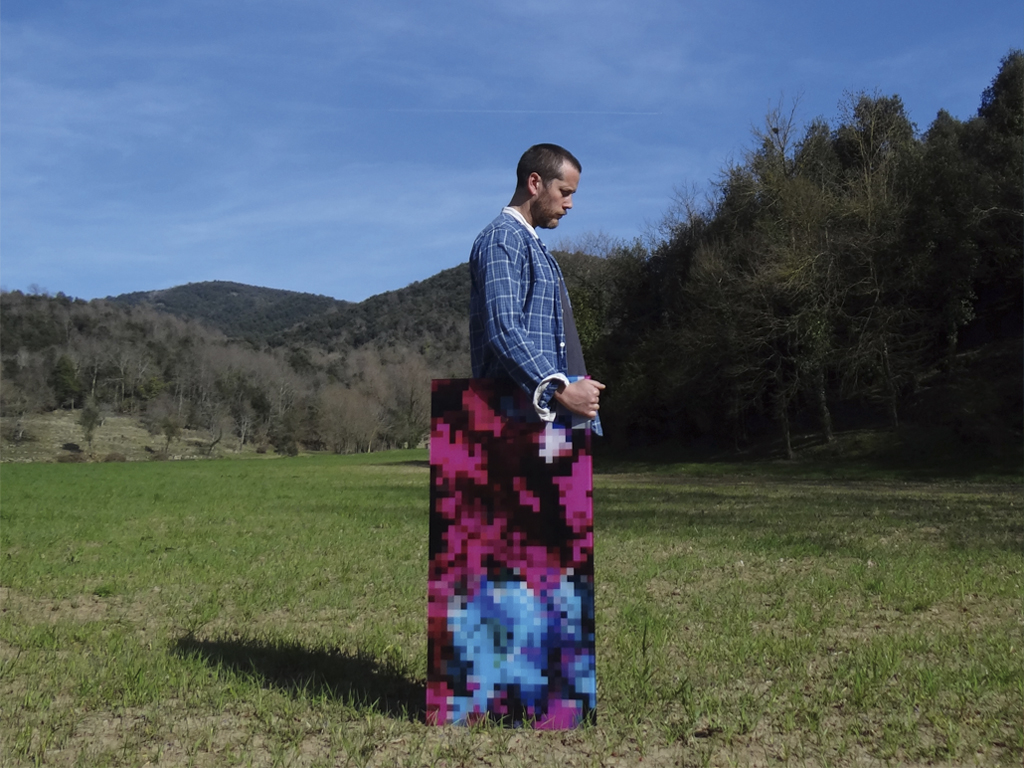
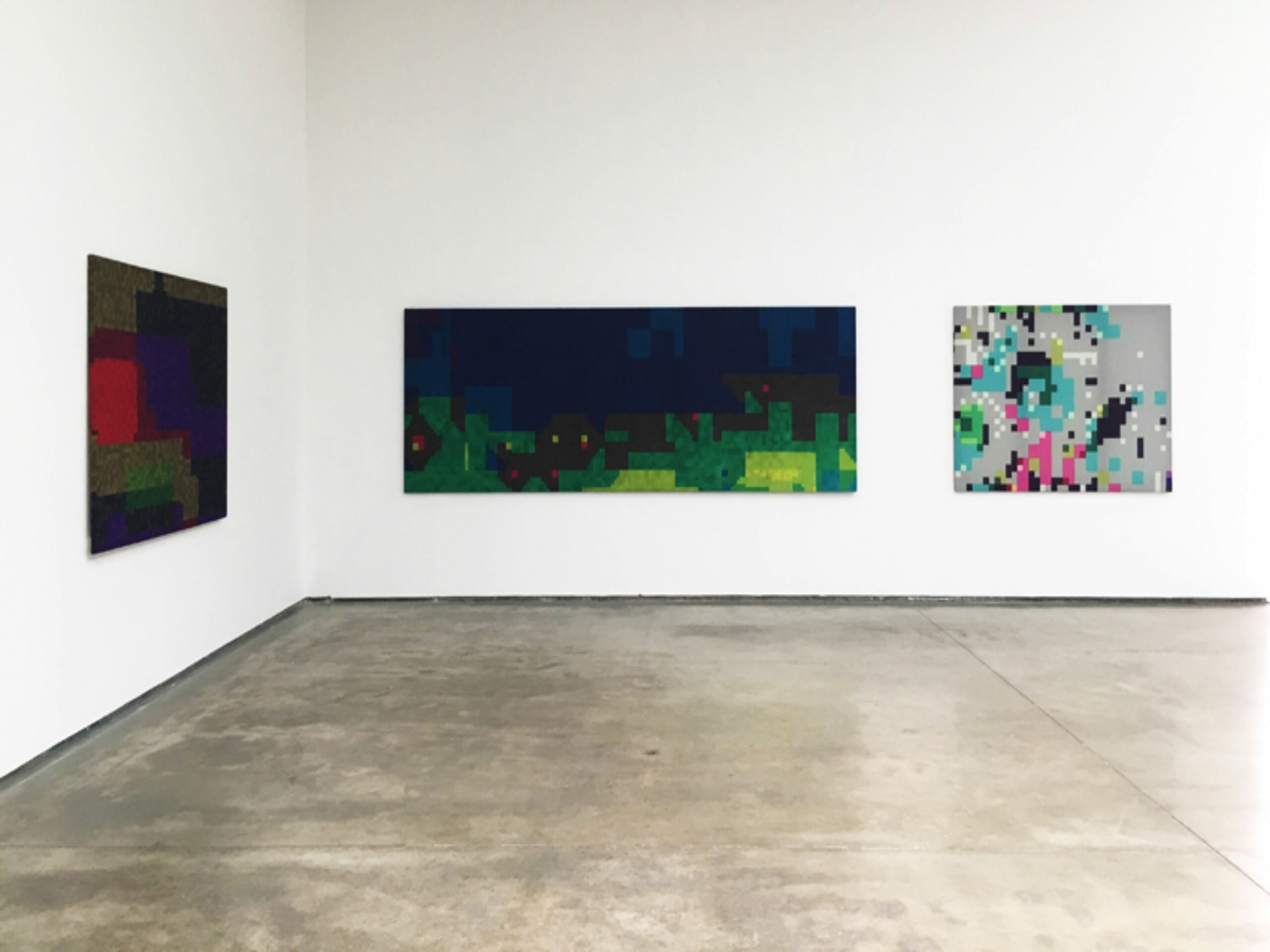
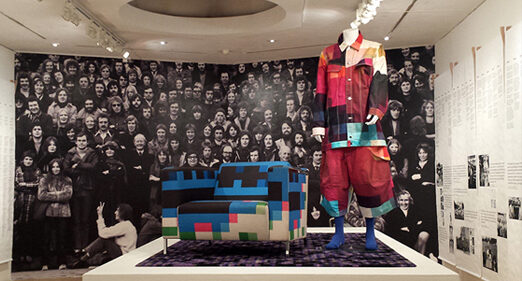
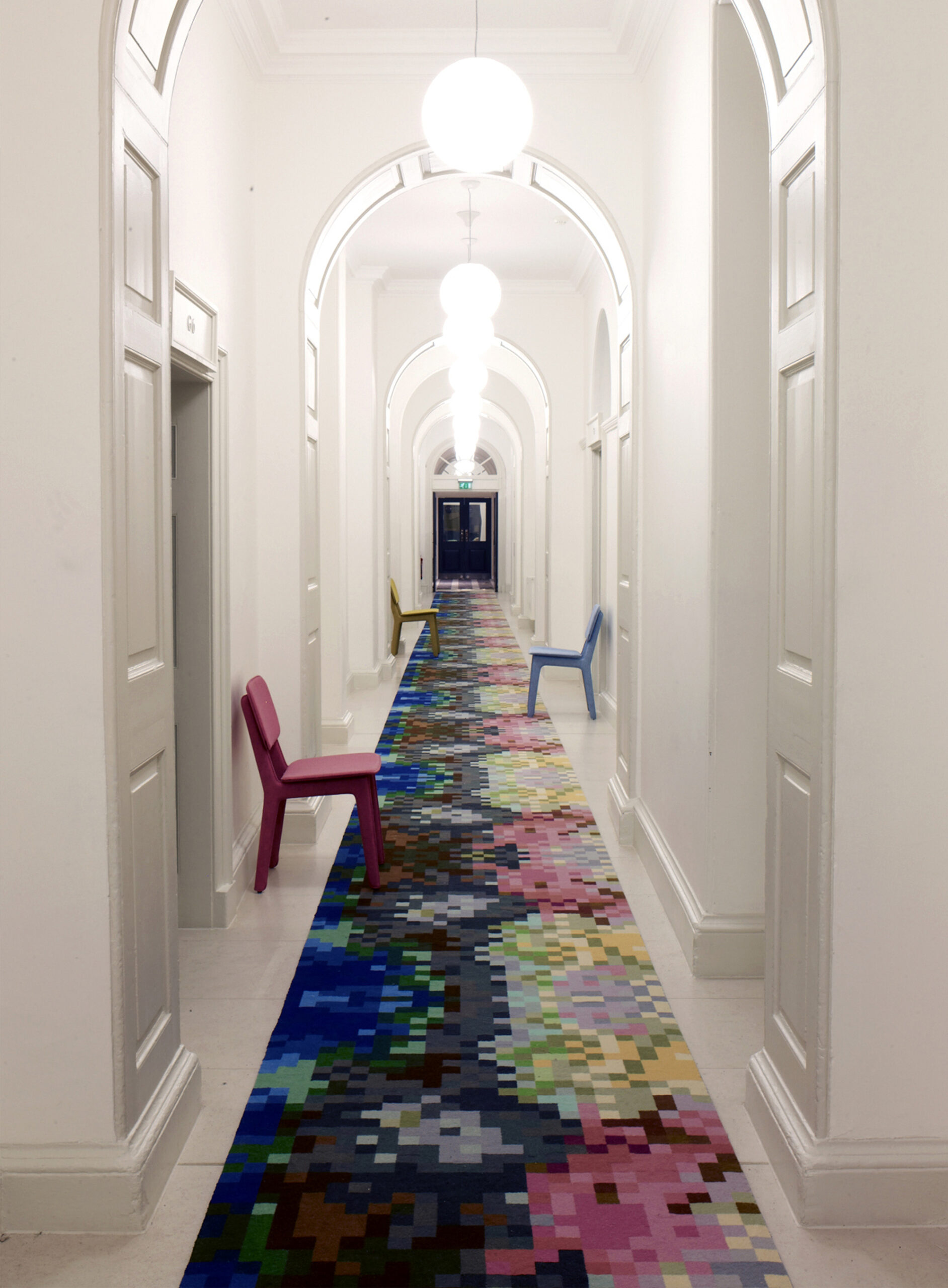
In 2006, a perceptual shift introduced the pixel not as an aesthetic device, but as a structural condition. The pixel was understood as a unit — architectural, biological, and spatial — rather than symbolic. This marked the beginning of a sustained investigation into how images are constructed and how perception is shaped by systems.
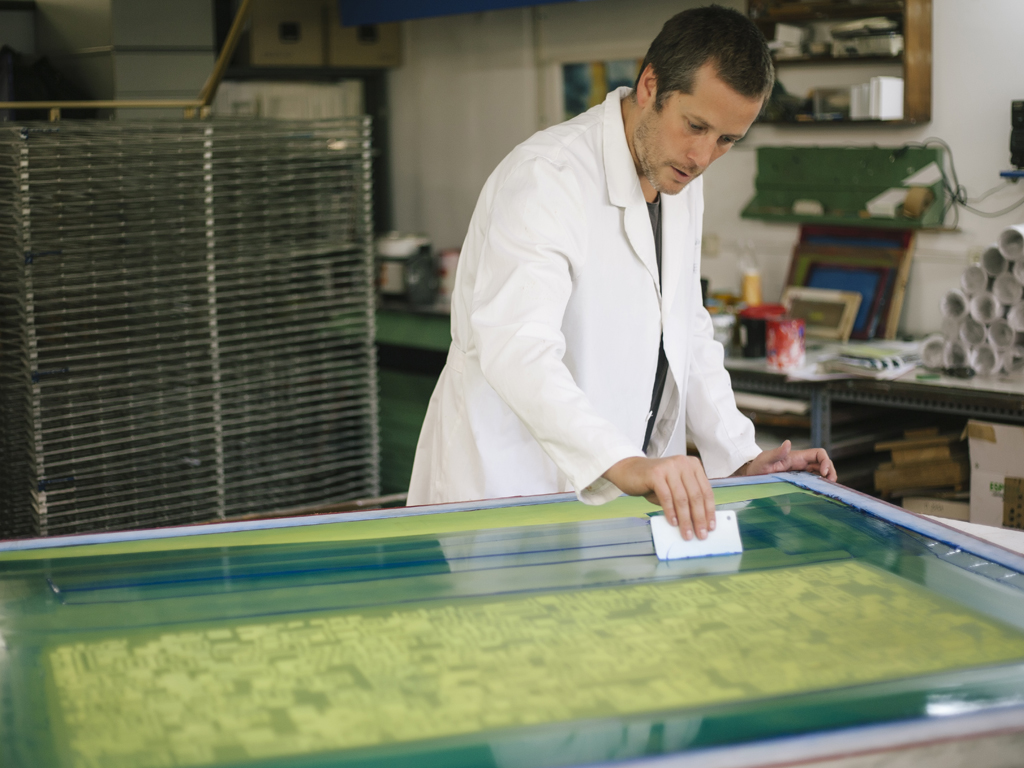
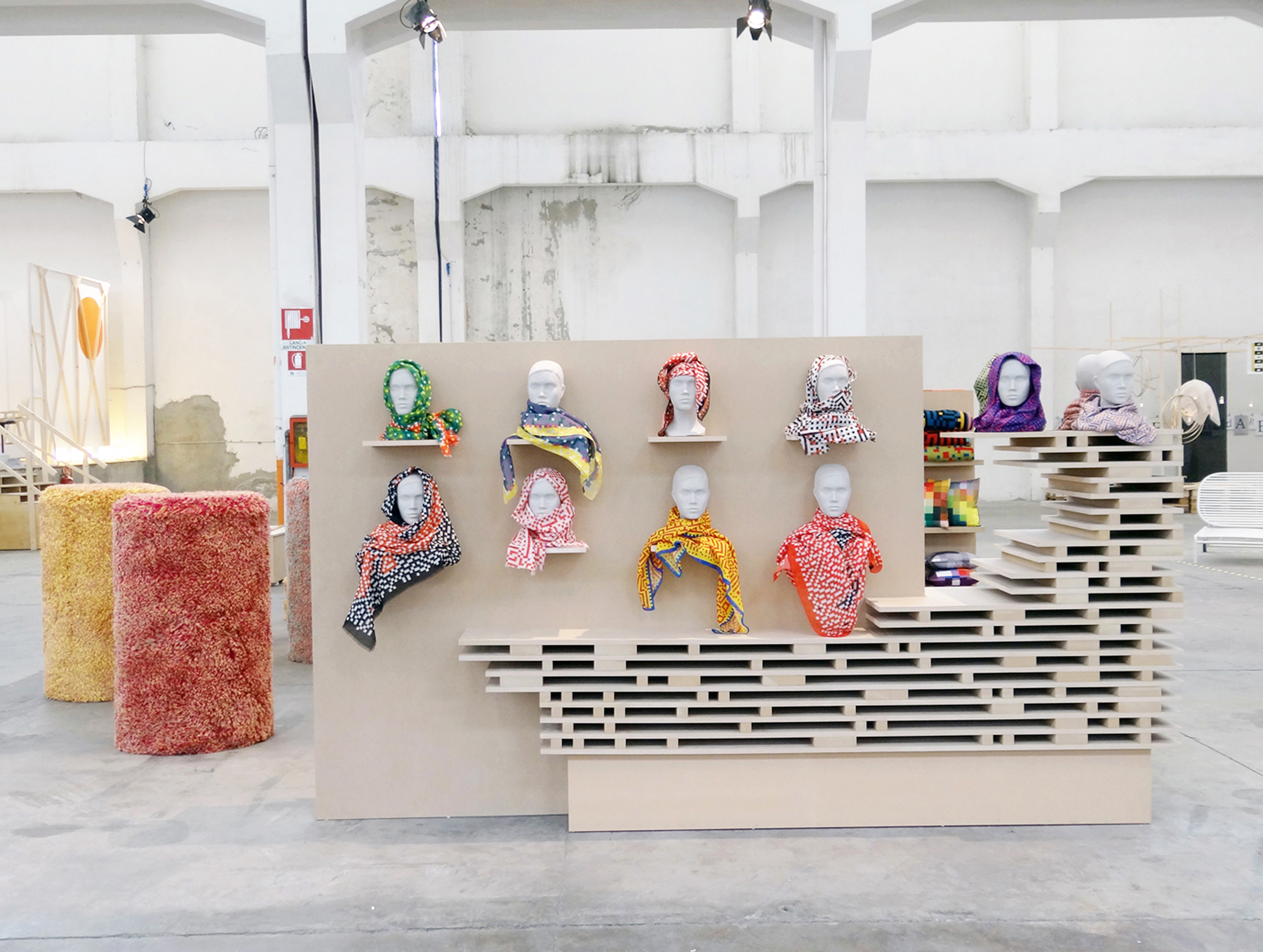
Over time, this focus evolved into what he describes as a post-pixel position: a practice concerned less with image production and more with gravity, materiality, and attention. The work moves between analogue and digital processes without privileging one over the other, maintaining a consistent logic across media. His practice spans visual art, material research, and spatial projects, yet remains anchored in a single commitment: to explore how form emerges from repetition, how systems generate coherence, and how attention can be cultivated through structure and duration