Space of Proximity began in 2004 while working in the letterpress workshop at the London College of Communication. At the time I was interested in Derrida and deconstructivist thought: the possibility that meaning is not fixed, but shifts according to context, relationships and interpretation.
In the workshop I came across three large boxes filled with old lead Linotype slugs. Cast decades earlier, these fragments of language had been discarded and were waiting to be melted down and recycled. Their original sentences had already been broken apart, making their reuse as language seemingly almost impossible. It was precisely this condition that interested me.
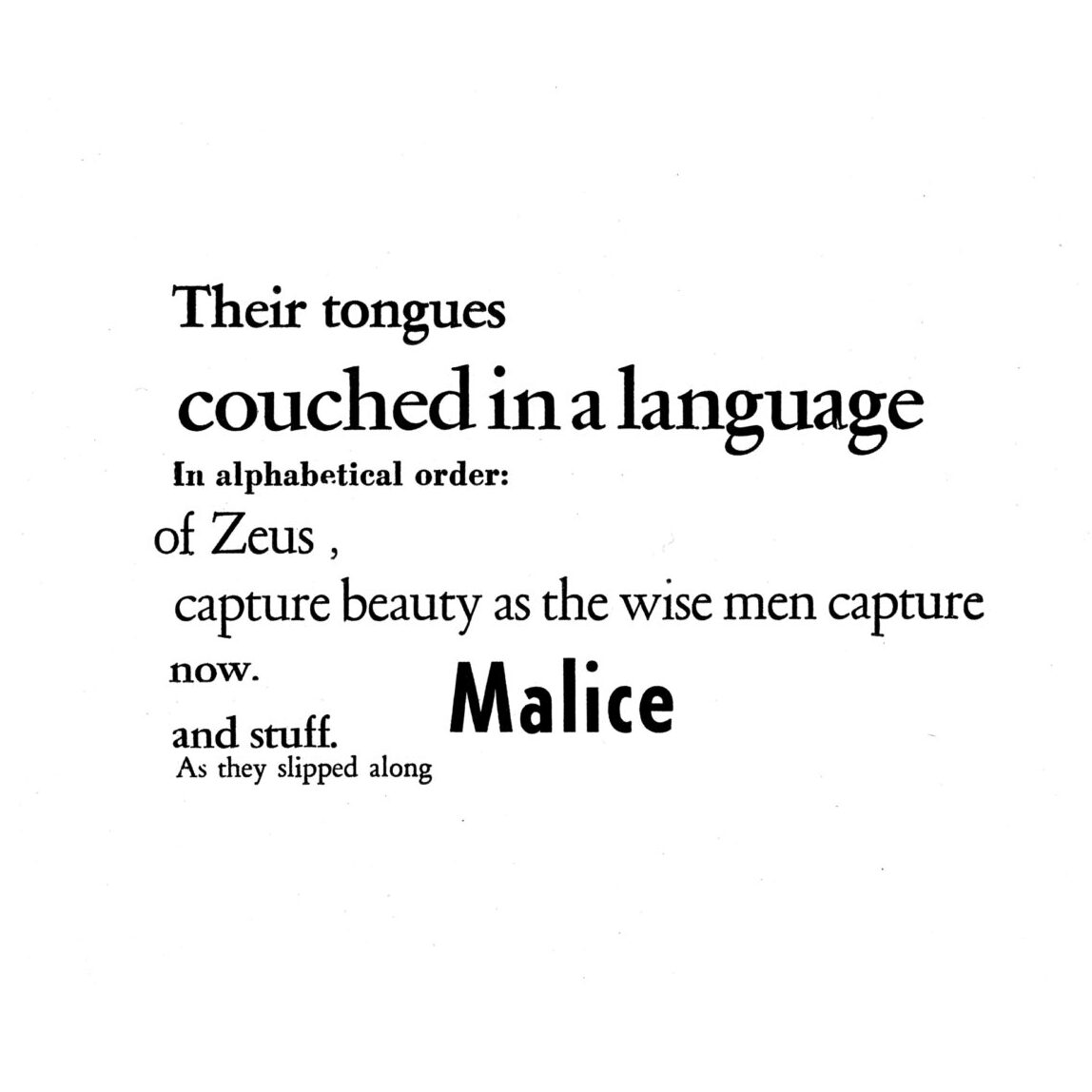
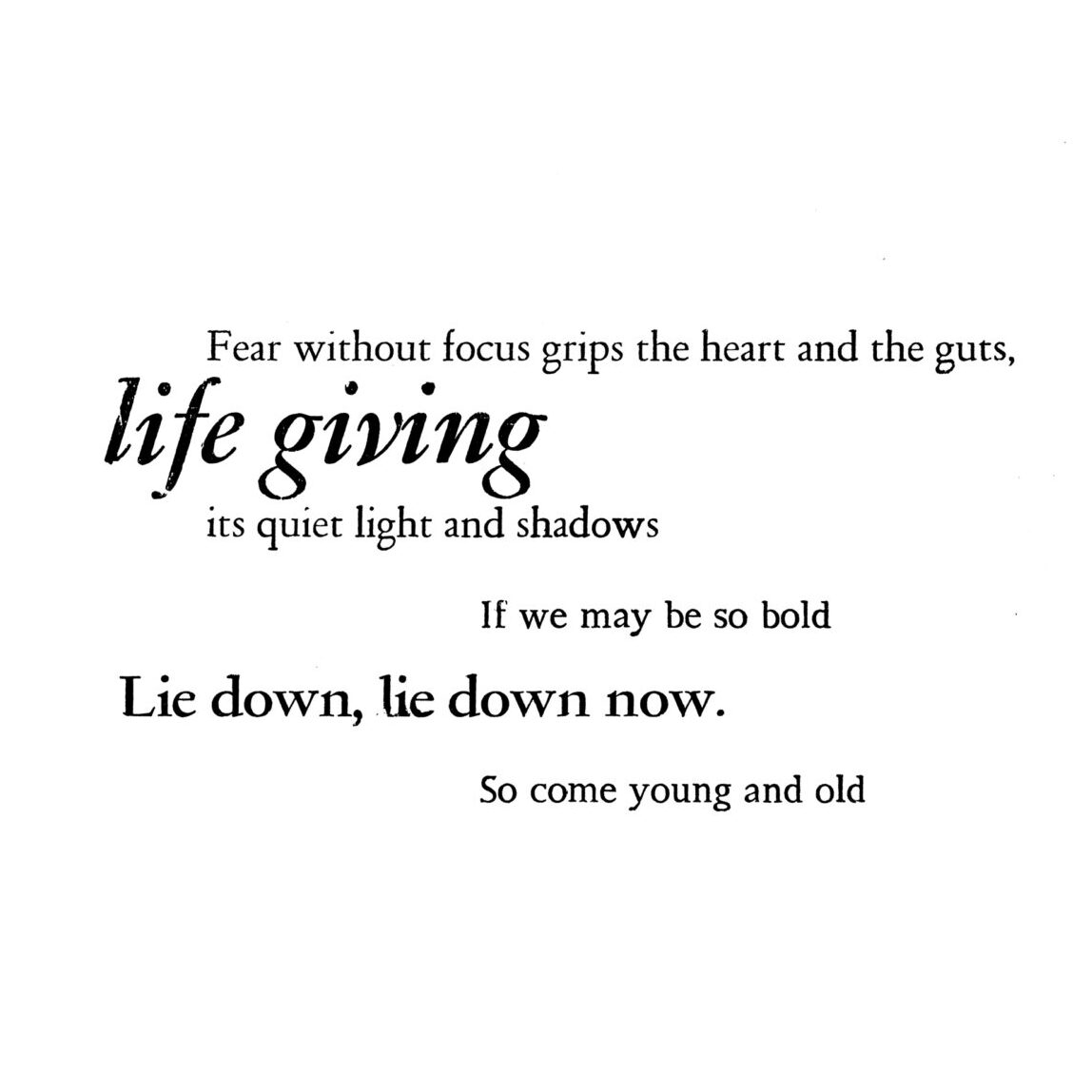
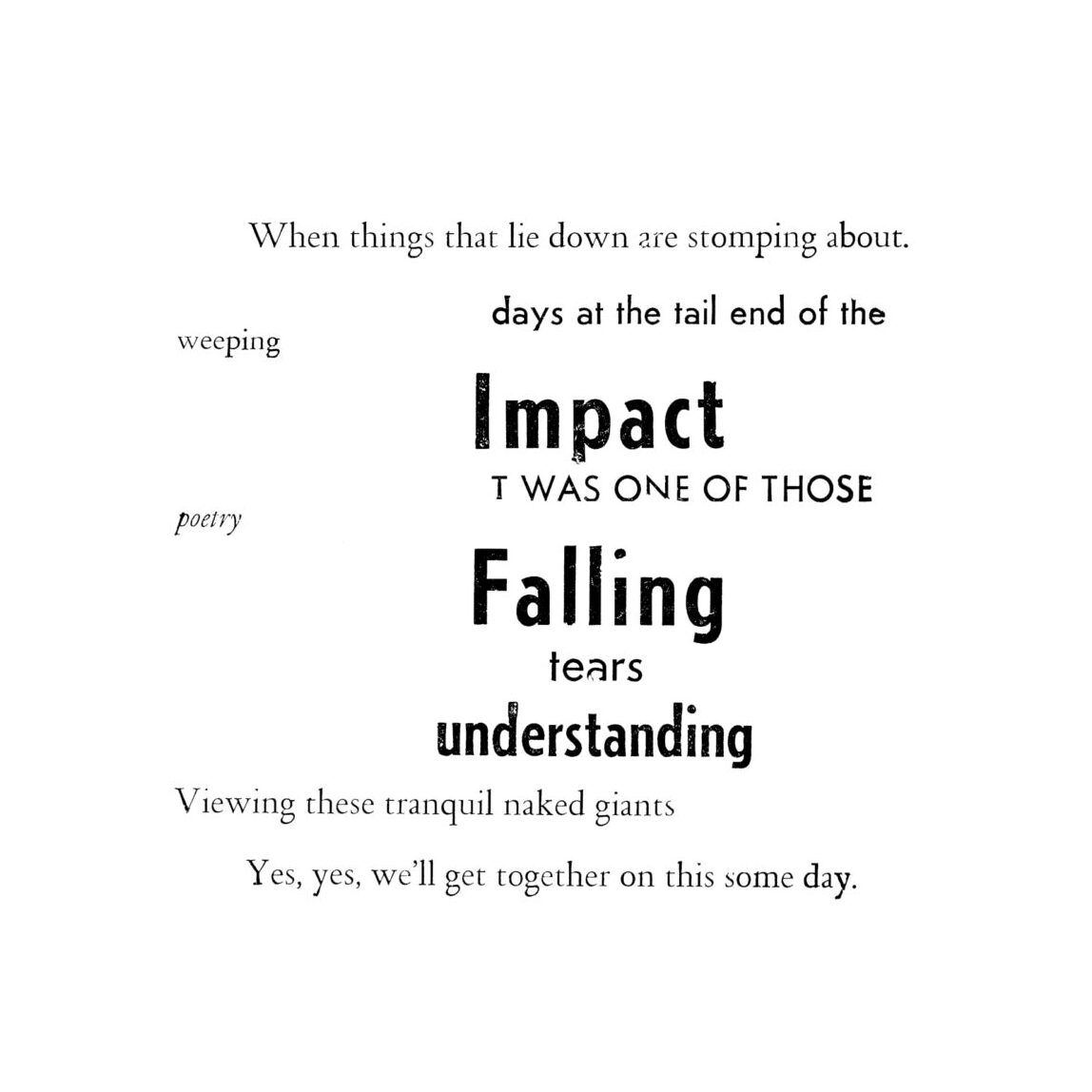
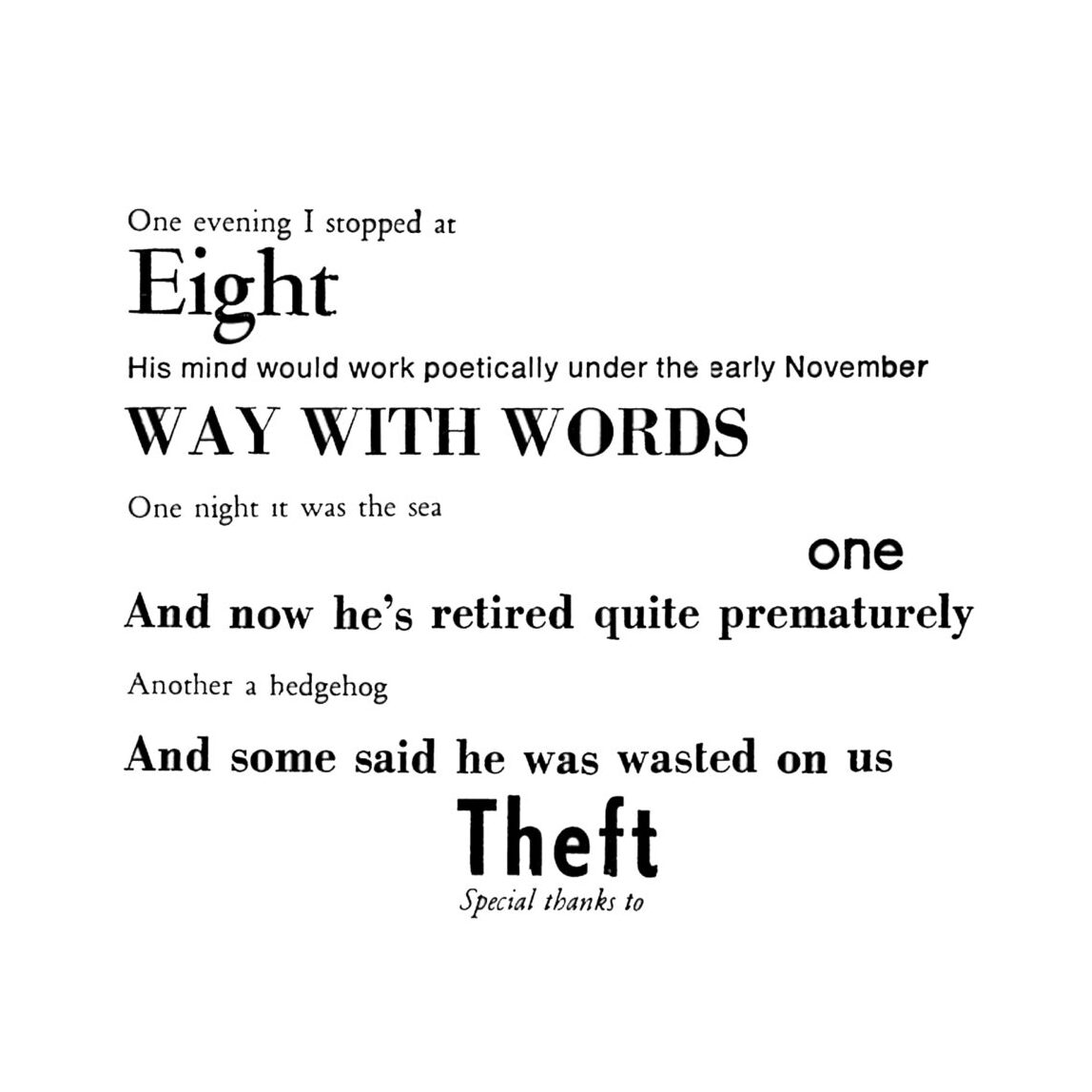
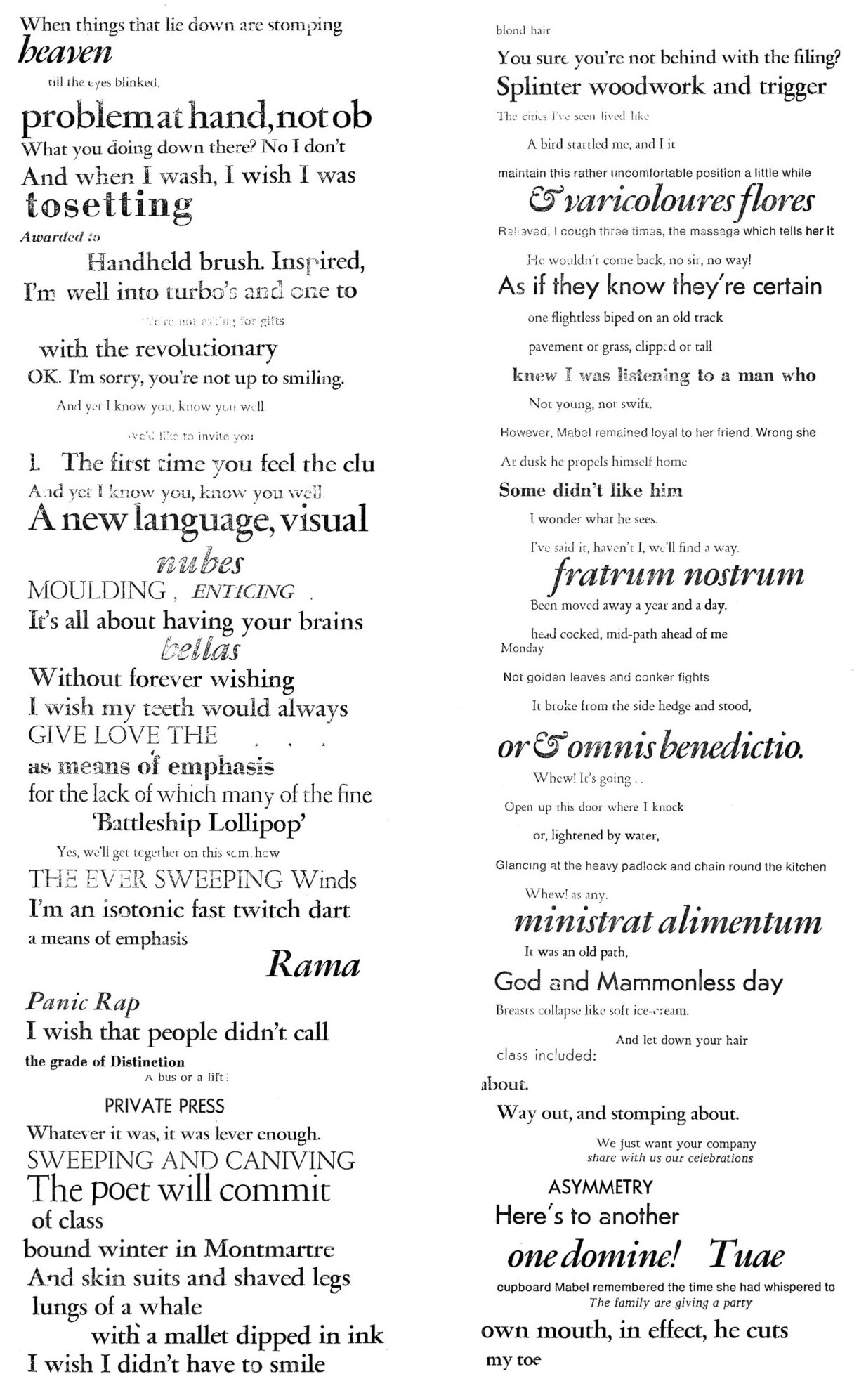
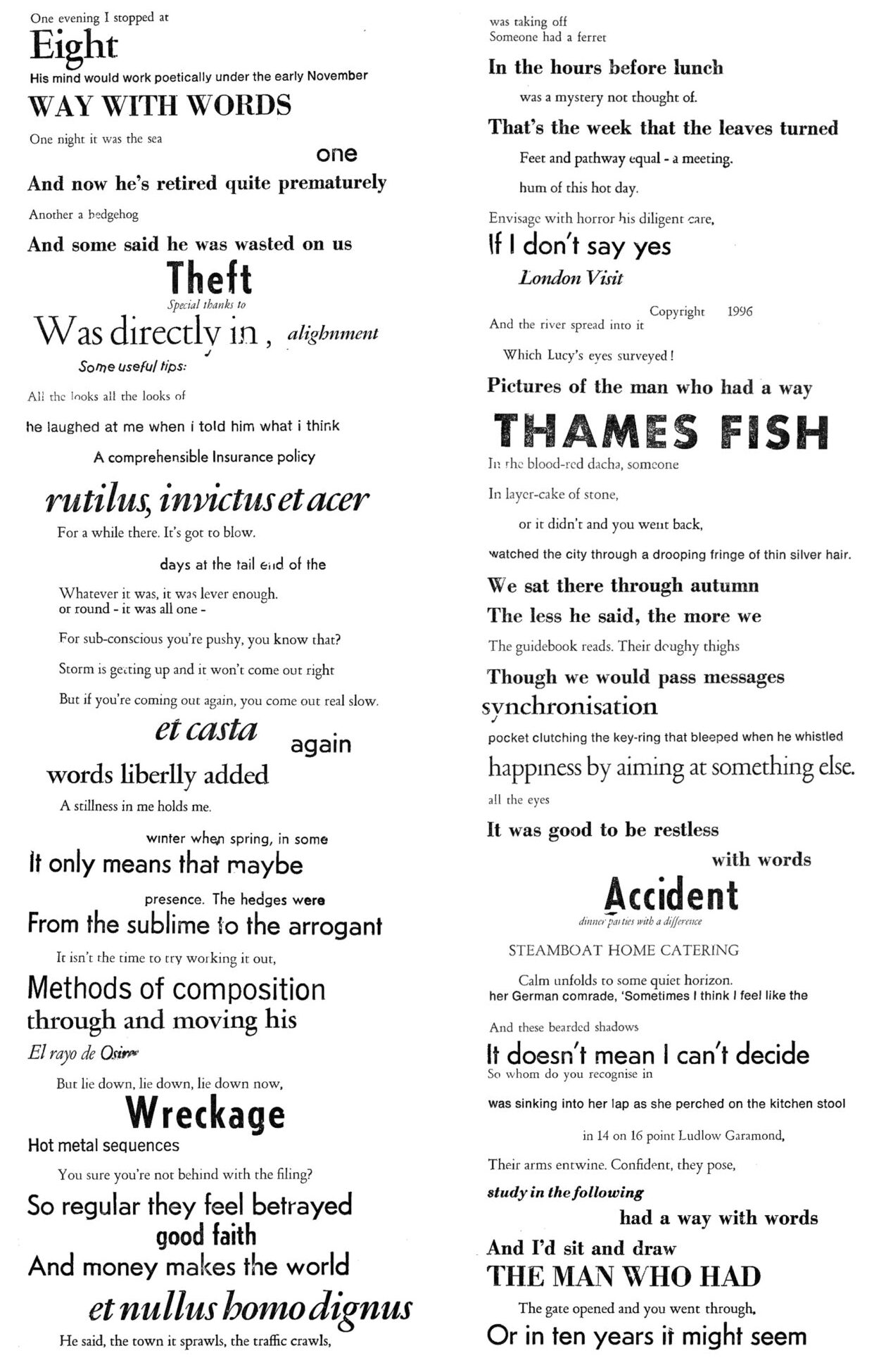
I began selecting individual fragments and randomly arranging them into two long columns. Words and sentences that had previously belonged to entirely different contexts were brought into proximity. Through chance, unexpected associations appeared and new meanings began to emerge. The physical process seemed to embody what I had been encountering through deconstruction: language dismantled and rearranged, meaning produced through new relationships rather than remaining attached to an original source.
From these columns I began isolating fragments that suggested their own internal relationships. Sixty-seven individual compositions emerged. Randomness created the initial conditions, but attention determined what was recognised and retained. What had been discarded as obsolete material became capable of generating another language.
The 67 compositions were brought together as a single book, printed in an edition of four copies. Newspaper stock was deliberately chosen for its impermanence: with time it yellows, fades and deteriorates. Language rescued from destruction was therefore given another, temporary existence – one that would itself change and eventually disappear.
2004
Letterpress on newspaper stock
Reclaimed lead Linotype slugs
67 individual compositions
One book, edition of 4
London College of Communication, London